Peoples of the Americas
Living peoples. Living languages. Living cultures.
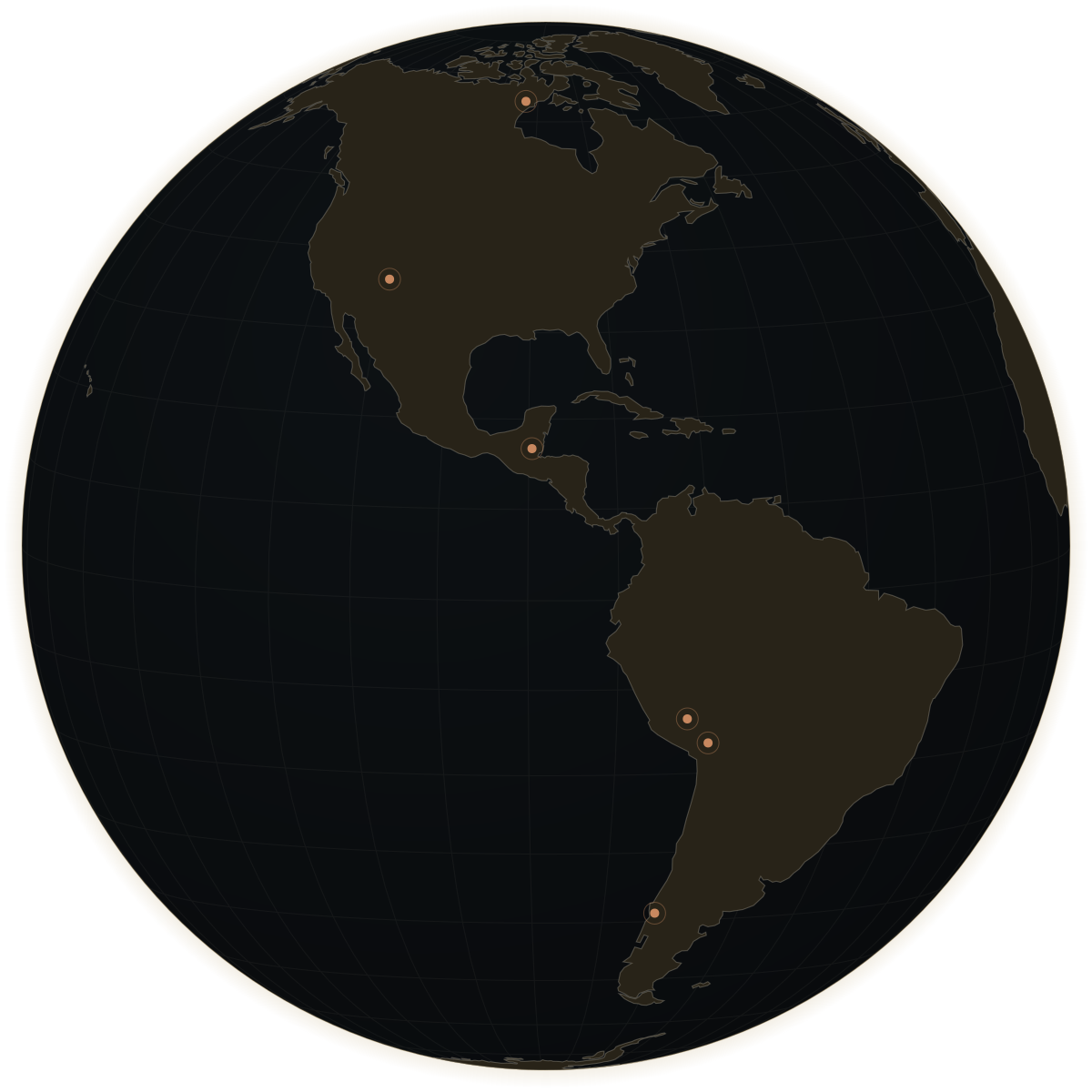
Discover the Indigenous peoples of the American continents, their lands, languages, histories and present, connected the way they are in the world: to place, to each other, to now.
First collection: Mapuche: Wallmapu, southern Chile & Argentina. New peoples join with research and review.
Explore
A continent is a doorway
The Atlas is built for wandering: pan from the Arctic to the Southern Cone, watch broad regions resolve into peoples, and follow any of them into language, culture and story.
Territory appears as soft presence, never as borders, because cultural geography is layered, changing and, in places, contested. How we draw the map
First collection
Mapuche
People of the land · mapu, land · che, people
The Mapuche are an Indigenous people of south-central Chile and southwestern Argentina. Their country, Wallmapu, reaches from the Pacific across the Andes into Patagonia. They stopped the Inca's southward advance, held colonial Spain to treaty for two centuries, and remain, after military occupation and land loss in the 19th century, the largest Indigenous people in Chile, with communities, language and politics very much alive.
- Self-identified population
- ≈ 1.75 million (Chile) · ≈ 205,000 (Argentina)
- Language
- Mapudungun
- Territory
- Wallmapu
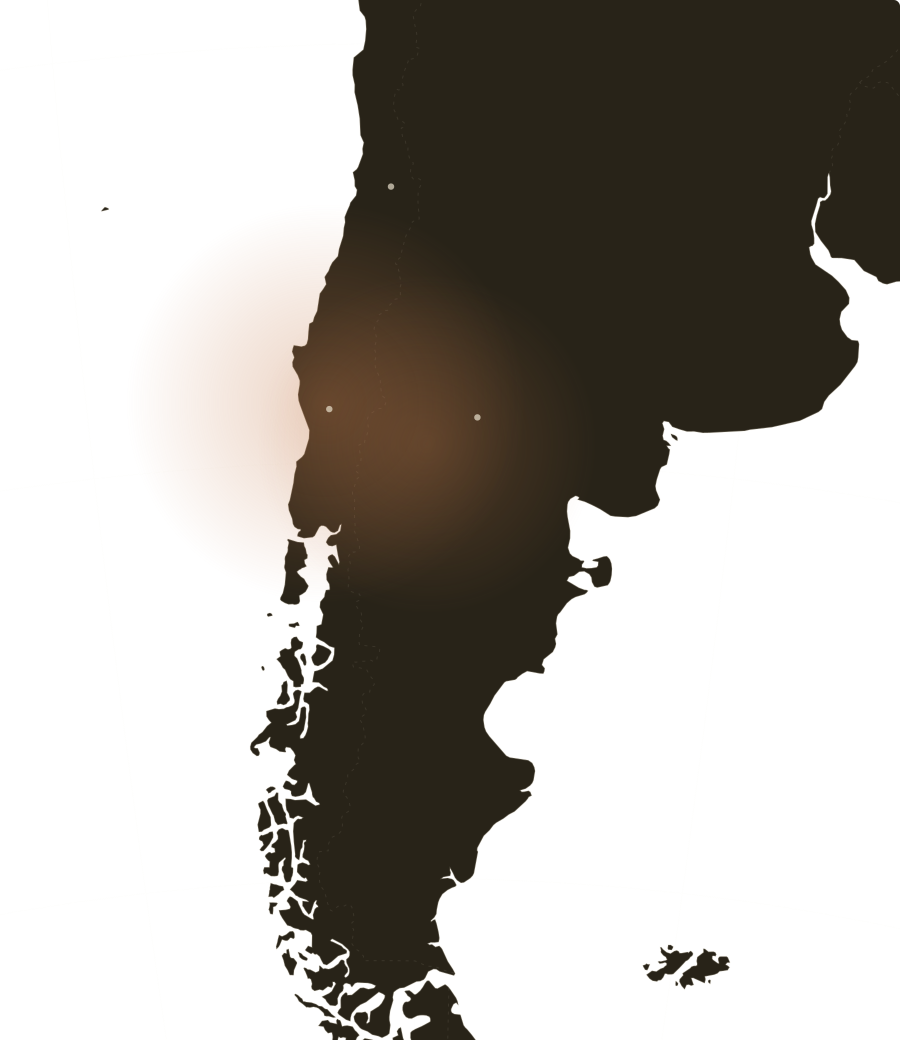 Ngülumapuwest of the AndesPuelmapueast of the AndesSantiagoTemucoNeuquén
Languages
Mapudungun, the speech of the land
The Mapuche language is spoken across Wallmapu and the cities beyond it, and it is being taught, written and carried into new media by a determined revitalisation movement.
Start with a greeting you will hear everywhere the language is spoken, then keep going: the first lessons are live.
Mapudungun
Mari mari
Audio pending, native-speaker recordings only, never synthetic voices
Stories
Living cultures, present tense
Notes from the project now; curated reporting from Indigenous media and trusted sources as the editorial network grows.
Culture
Objects, foods, practices: connected
Culture pages link things to the people, places and processes they belong to. Documented forms, honest gaps, no decorative inventions.
Why this exists
A public home for knowledge that lives
Cultures survive through people, not through websites. This project's job is narrower and useful: a modern public surface where knowledge is documented with sources, languages can be learned, contemporary voices stay visible, and the relationships between land, history and culture can be understood.
- Living, not archival. Every people's page ends in the present tense.
- Specific, not generic. No pan-Indigenous shorthand; each culture on its own terms.
- Sourced, not asserted. Review status and sources are shown on every substantive page.
- Correctable. Error admitted and fixed beats confidence defended.